Erté: The Artist
The Russian-born painter Romain de Tirtoff, known as Erté (pronounced after the French rendering of his initials), was one of the leading fashion and stage designers of the early twentieth century. From the iconic silver lamé costume, complete with pearl wings and an ebony-plumed cap, worn to a ball in 1914, to his enchanting and refined designs for the Broadway musical Stardust in 1988, Erté devoted nearly 80 years to his creative career. Upon his passing in 1990, he was celebrated as the “prince of the music hall” and hailed as “a mirror of fashion for 75 years.”

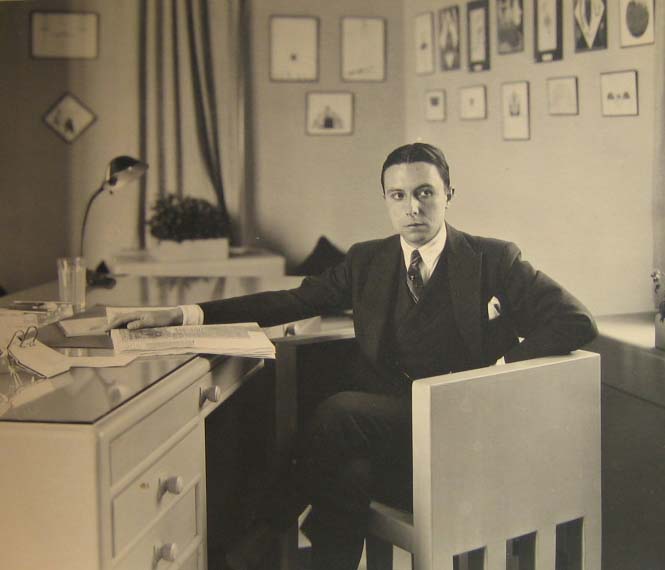
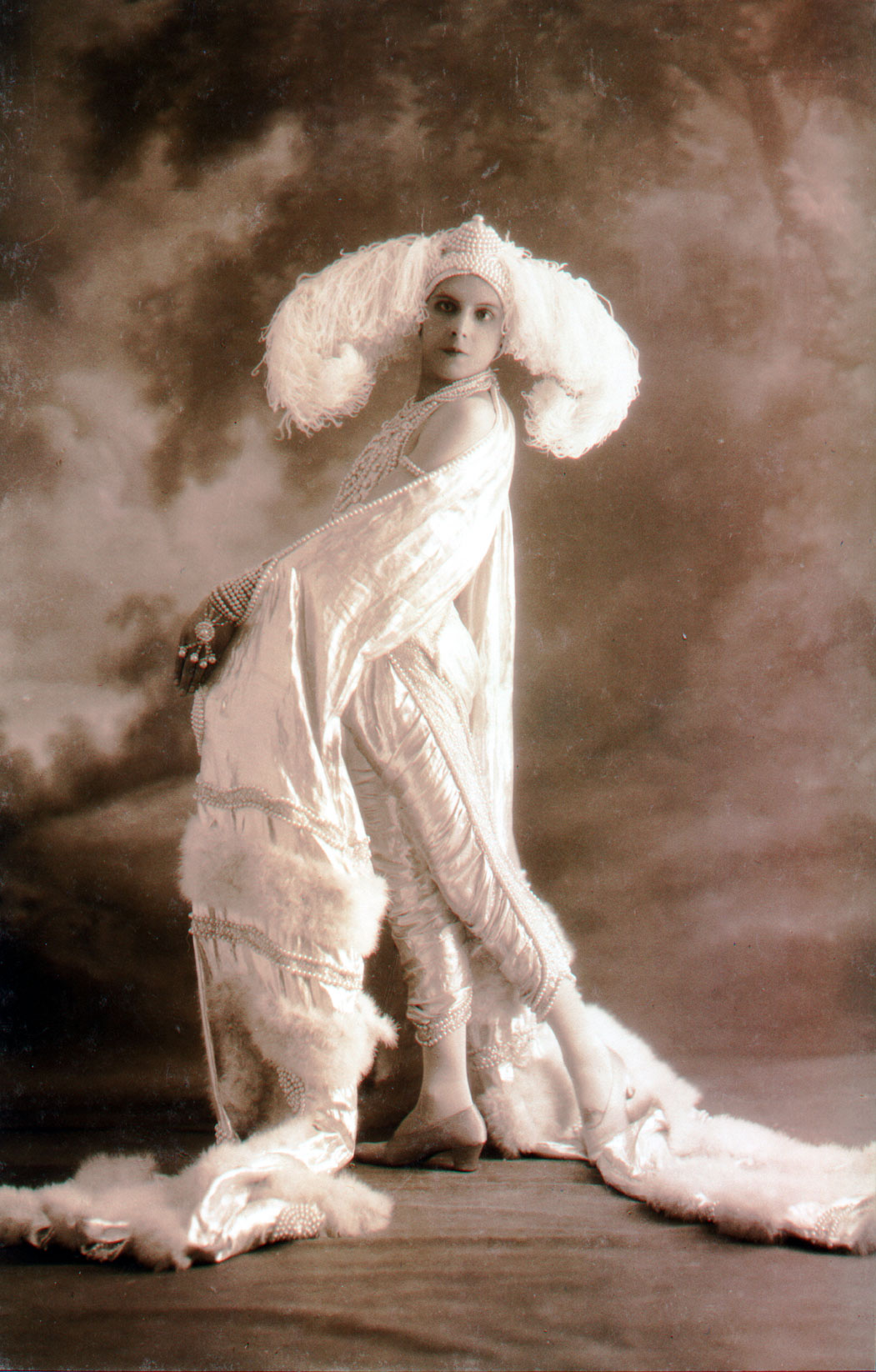
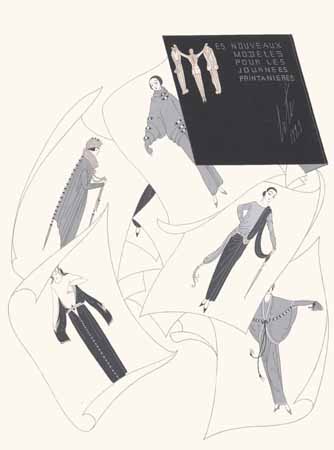
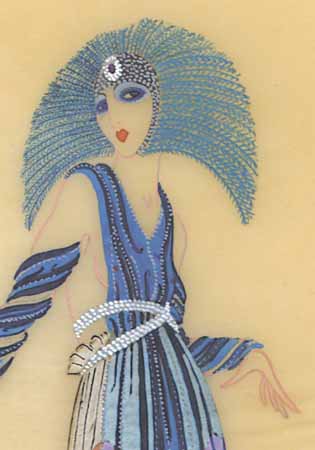
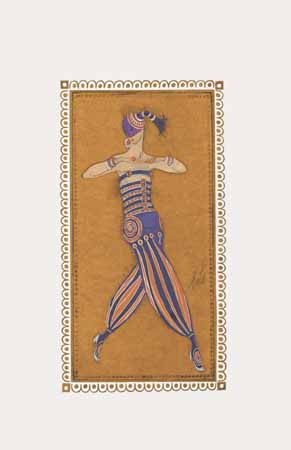
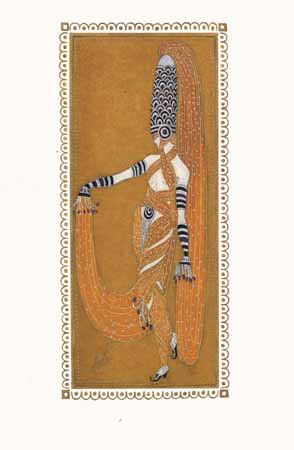
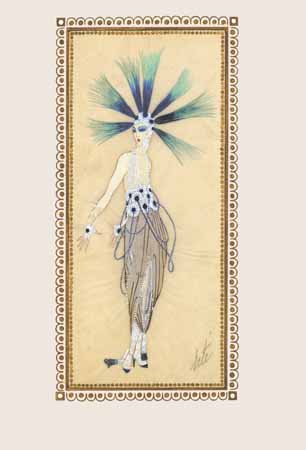
Born in St. Petersburg and initially destined for a military career by his father, Erté defied expectations by creating his first successful costume design at the age of five. In 1912, he was finally allowed to move to Paris to pursue his ambition of becoming a fashion illustrator. He quickly secured a contract with Harper’s Bazaar, contributing fashion illustrations for 22 years. Erté is perhaps most famous for the lavish costumes and stage sets he designed for the Folies-Bergère in Paris and George White’s Scandals in New York. These works showcase his passion for the exotic, romantic, and his admiration for the graceful, lyrical human form. In addition to his work in music-hall productions, Erté also designed for opera and traditional theater. He spent a brief, somewhat unsatisfactory period in Hollywood in 1925, invited by Louis B. Mayer, head of Metro-Goldwyn-Mayer
Born in St. Petersburg and initially destined for a military career by his father, Erté defied expectations by creating his first successful costume design at the age of five. In 1912, he was finally allowed to move to Paris to pursue his ambition of becoming a fashion illustrator. He quickly secured a contract with Harper’s Bazaar, contributing fashion illustrations for 22 years. Erté is perhaps most famous for the lavish costumes and stage sets he designed for the Folies-Bergère in Paris and George White’s Scandals in New York. These works showcase his passion for the exotic, romantic, and his admiration for the graceful, lyrical human form. In addition to his work in music-hall productions, Erté also designed for opera and traditional theater. He spent a brief, somewhat unsatisfactory period in Hollywood in 1925, invited by Louis B. Mayer, head of Metro-Goldwyn-Mayer
After a period of relative obscurity in the 1940s and 1950s, Erté’s distinctive style found a renewed and enthusiastic market in the 1960s. In response to this surge in demand, the artist began creating a series of colorful lithographic prints and sculptures. This luxuriously illustrated museum holds a rich and representative selection of images, drawn from throughout Erté’s extraordinary and prolific career.
Erté’s death in April 1990 at the age of ninety-seven marked the end of a career defined by brilliance and success—indeed, two careers. The first began when the young Russian aristocrat, Romain de Tirtoff, arrived in Paris in 1912. It spanned his time at the haute couture house of Poiret and his twenty-two-year association with Harper’s Bazaar before the onset of World War II. During this period, Erté produced 250 covers for Bazaar, countless drawings for the magazine, fashion designs for some of the world’s most glamorous women, as well as costumes and set designs for Hollywood films and stage productions—from George White’s Scandals and Folies-Bergère to the Paris Opera—along with a variety of product designs.
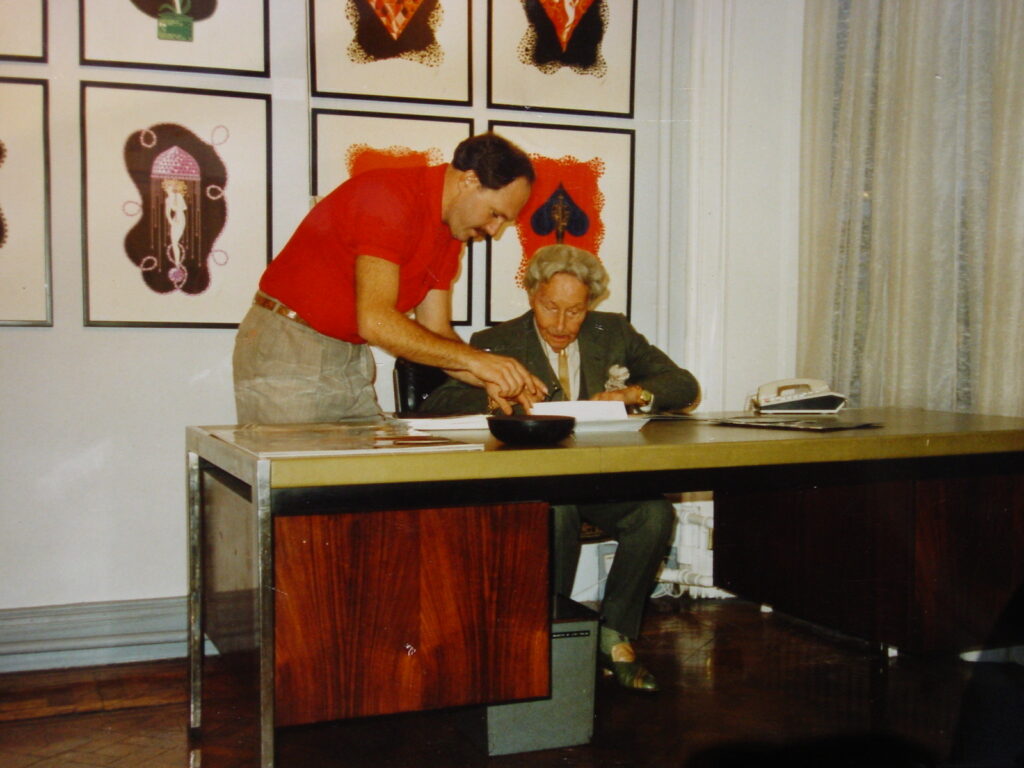
After a period of relative eclipse during the war and its aftermath, Erté’s second career began when he met London art dealer Eric Estorick in 1967. Impressed by the vast collection of superb works in Erté’s Paris studio, Estorick was determined to relaunch the artist’s career. This effort was met with spectacular success through exhibitions in New York and London, featuring gouache paintings and drawings. More important than the sale of these works, however, was the enthusiastic response from theater and fashion stars who attended Erté’s exhibitions. It became clear that there was a keen audience for his art, not only among those who could afford original pieces but also among younger generations with limited means. This overwhelming demand led to the creation of multiples—first graphic works, and later, bronze sculptures.
As Estorick writes, to call this a mere revival would be an understatement; it was a sensation. During the twenty-five years of Erté’s second career, he regained the fame he had enjoyed earlier in his life, but with a far broader public. This period also saw the publication of numerous books on Erté’s work, including two large-format volumes on his graphic art, Erte at Ninety and Erte at Ninety-Five, as well as a book on his sculptures, Erte Sculpture.